Eco materials — Sydney selections
Thoughtful material choices define longevity, health and carbon impact. Flinero sources low-VOC finishes, recycled timbers and responsibly harvested surfaces tailored to NSW homes and workplaces.
Studio: Flinero, Sydney
Why eco materials?
Eco materials reduce the environmental footprint and improve indoor air quality. We prioritise certified reclaimed timber, low-emission paints, natural fibres and rapidly renewable surfaces that meet Australian standards and practical performance.
- Lower embodied carbon
- Improved indoor air quality (low-VOC)
- Durability and reparability
Material categories we use
Reclaimed & recycled timber
Locally sourced reclaimed hardwood for flooring and joinery, stabilised and finished with low-VOC oils.

Bamboo & rapidly renewable
Bamboo veneers and engineered products for cabinetry—strong, fast-growing and attractive.

Natural textiles & cork
Cork flooring and natural textile upholstery for acoustic and thermal comfort.

Case study — Paddington terrace
Our retrofit reduced embodied carbon by 36% through reclaimed joinery, low-VOC finishes and efficient layout. The result is a resilient, calm interior with an honest material palette.
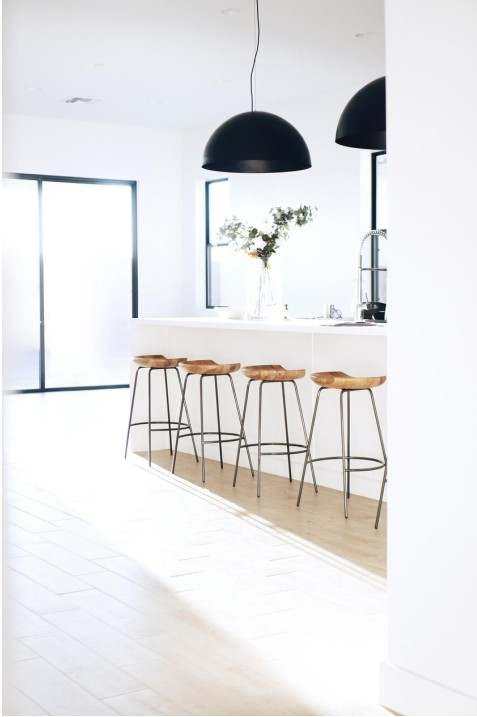
- Reclaimed kitchen cabinetry
- Cork floor in study
- Low-VOC paints throughout

Maya Collins
Lead DesignerMaya coordinates material sourcing and performance testing to meet Australian standards and client expectations.
Compare materials — accordion
Sustainability metrics
| Material | Embodied CO2e (kg/m²) | Typical lifecycle (yrs) | Indoor impact |
|---|---|---|---|
| Reclaimed timber | 12 | 50+ | Low VOC |
| Bamboo engineered | 18 | 25-30 | Low VOC |
| Cork | 8 | 20-30 | Natural, hypoallergenic |
| Recycled metal | 22 | 30+ | Neutral |
Notes: figures are indicative. Flinero provides project-specific life-cycle assessments on request.
FAQ
Are eco materials more expensive?
Upfront costs vary. Reclaimed materials can be cost-effective when factoring longevity and reduced maintenance. We present cost-life analysis for clarity.
Do they meet Australian standards?
Yes—Flinero sources products that comply with relevant Australian Standards and labelling schemes where applicable.